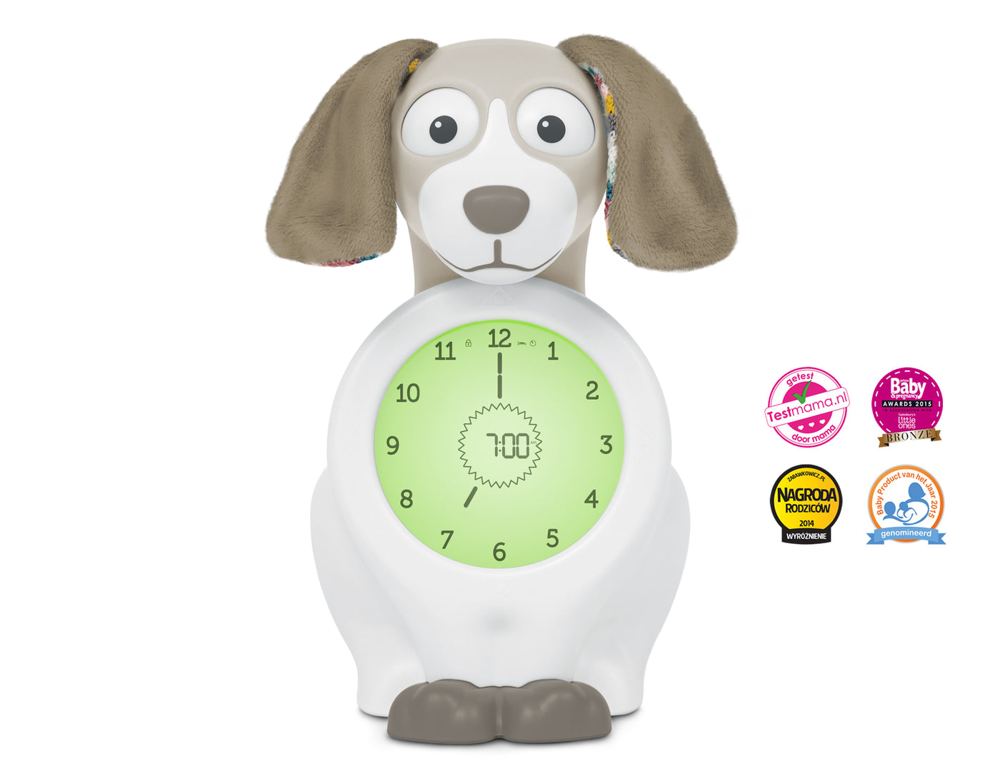
Why red light, not white, in a nursery
Blue and white light tell the brain it's daytime. Red and amber don't. That one fact explains most nightlight advice.
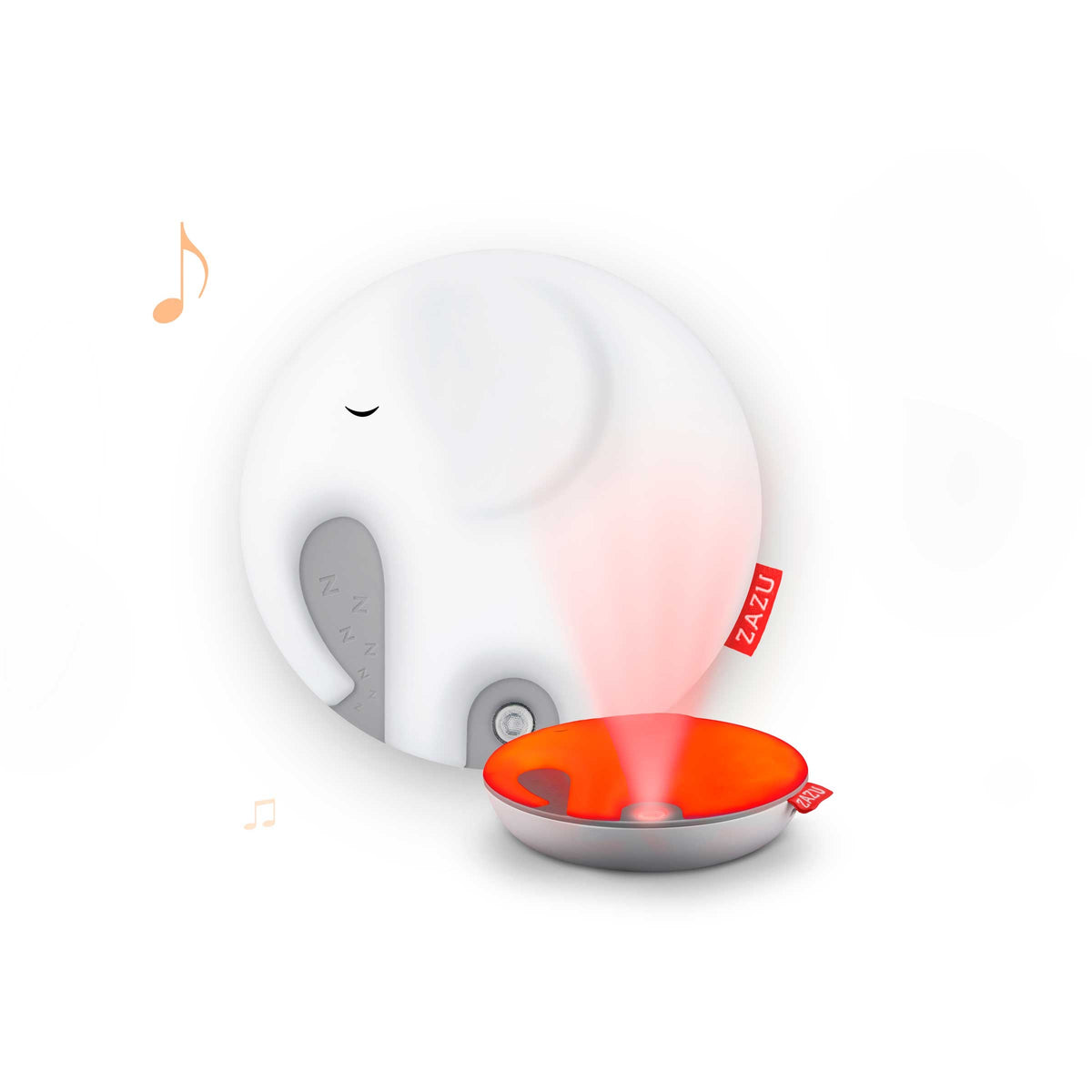
The short answer: the brain reads blue and white light as daylight and delays the sleep hormone melatonin. Red and amber light do this far less. Every light you use around sleep, from the nightlight to the lamp you feed by, should be warm and low.
What the research says, briefly
Light-sensitive cells in the eye are most responsive to blue wavelengths. When they detect blue-rich light, the body holds back melatonin, the hormone that signals night. Ordinary white LEDs, phone screens and bright ceiling lights are all blue-rich. Red and amber sit at the other end of the spectrum and have much less effect.
What that means at 2am
A bright white light for a nappy change or a feed can push a baby, and you, wider awake than either of you needs to be. A dim red or amber light lets you see what you are doing without sending a daytime signal.
Choosing a nightlight
Look for warm colours and real dimming, not just on and off. Emmy the Elephant has a slow breathing light in a warm tone, designed for a nursery. Lou the Owl offers three warm colours for toddlers who want to choose. Zazu's sleep trainer clocks use a red glow overnight for the same reason.
Brightness matters as much as colour
Even red light should be low. The test: you should be able to see the cot and the child, and not much else.
In the morning
Do the reverse. Open the curtains and let bright natural light in. It sets the body clock for the day and makes the evening wind-down easier.
This guide is general information from the Zazu Australia team, not medical advice. If you are worried about your child's sleep, breathing or development, talk to your GP or maternal and child health nurse.