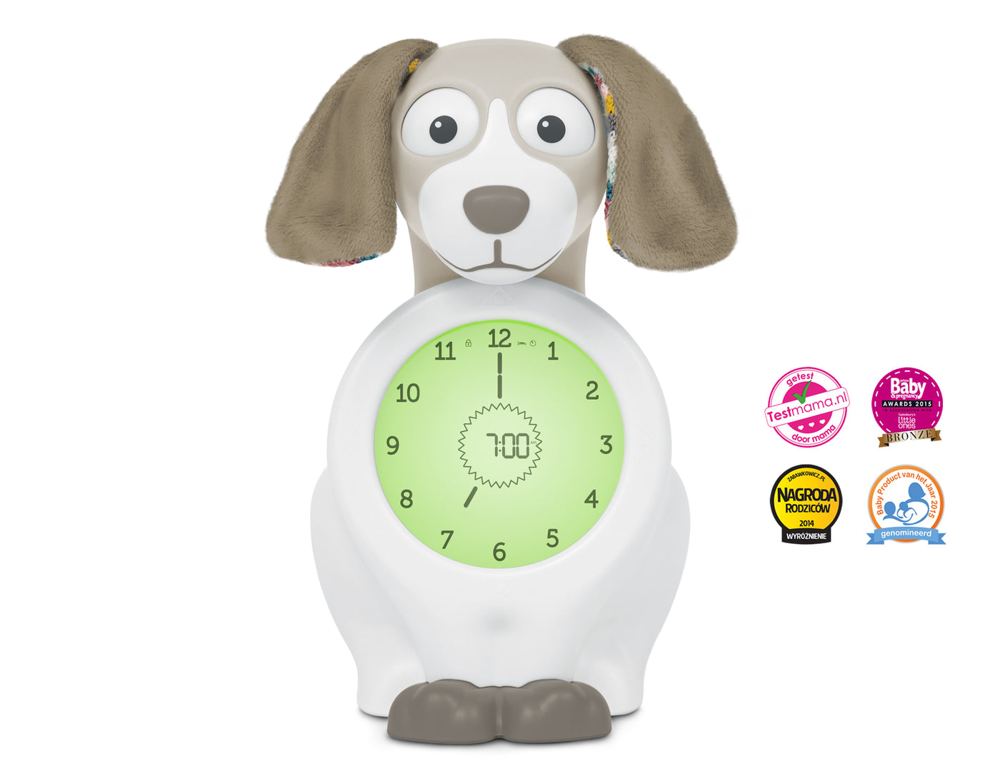
Scared of the dark: what actually helps at two
Fear of the dark arrives around two, when imagination outruns understanding. You can't argue with it. You can make the room feel known.
The short answer: a warm, dimmable nightlight your child controls, on a timer, plus a boring and consistent response when they call out. Reassurance alone rarely works. Ownership does.
Why it starts now
Around two, imagination develops faster than understanding. A shadow can be a thing. The dark can hold something. This is normal development, not a problem to fix, but it does need a response that takes the fear seriously without feeding it.
Warm light, never white
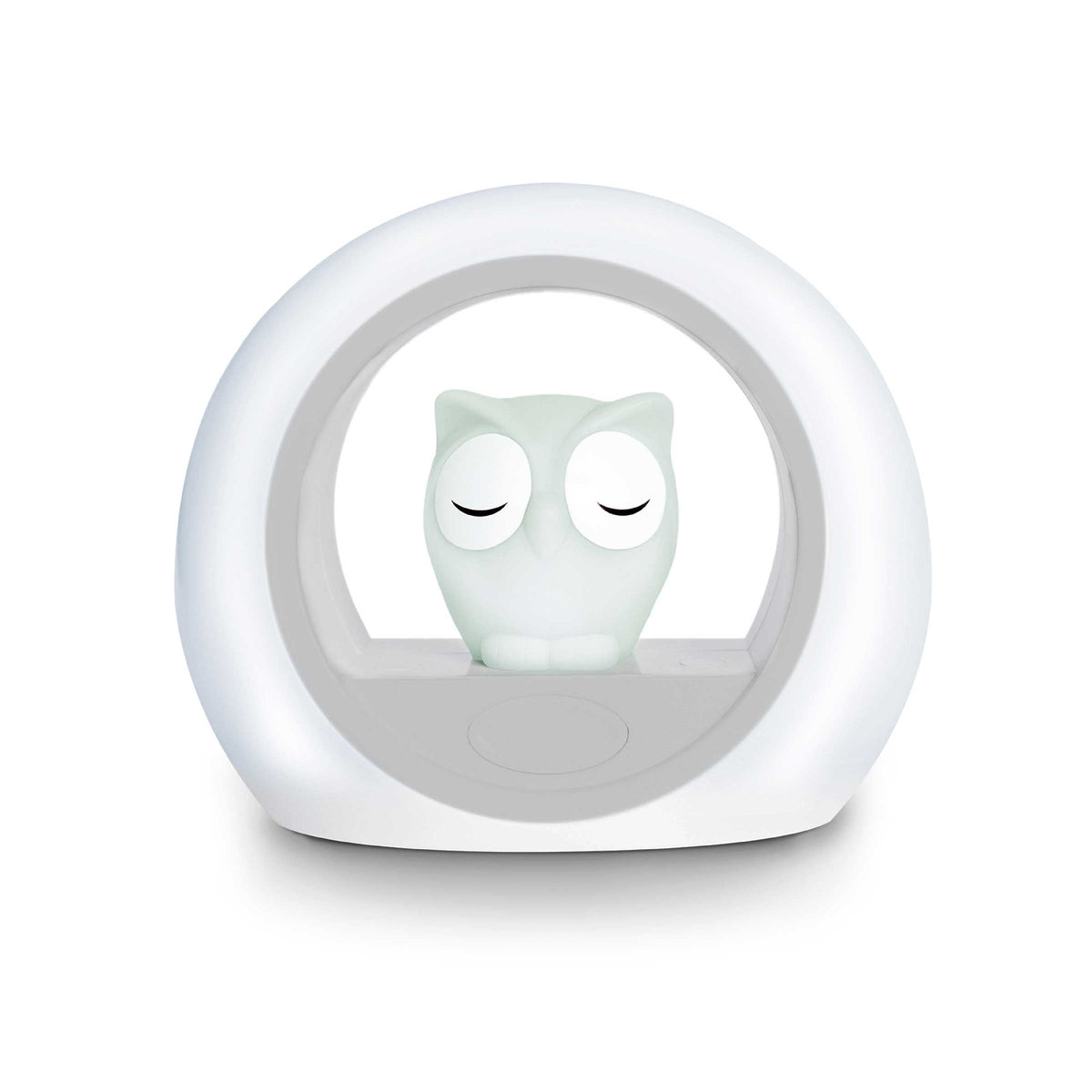
White and blue light tell the brain it is daytime. Red and amber light do not. A nightlight should be warm and low. Lou the Owl glows in three warm colours and dims to almost nothing, which is why she suits this job.
Let them own it
A nightlight a child can tap to change colour is a nightlight they trust. Being in charge of the light is worth more than any amount of "there's nothing there". Show them how it works in the daytime, then let them choose the colour at bedtime.
Use the timer
Set the light to switch off after fifteen or thirty minutes so the room goes properly dark for the deep sleep that matters. If they wake and need it, they tap it back on. Over a few weeks most children stop needing it.
When they call out
Go in. Be brief and boring. Point at the light, say the same short sentence every time, leave. The consistency is what teaches them the room is safe, not the words.
Door open or nightlight?
Both is fine. But a nightlight gives them something in the room that is theirs, and that is usually what ends the calling out.
This guide is general information from the Zazu Australia team, not medical advice. If you are worried about your child's sleep, breathing or development, talk to your GP or maternal and child health nurse.